

New Season, New Teachers, New Classes: Helping Your Dancer Adjust
A new dance season brings so many exciting things — new classes, new goals, new friends, and sometimes, new teachers. While some dancers jump into these changes with excitement, others may need a little more time to feel comfortable.
At Dance It Out, we know that change can feel big, especially for young dancers. A student who loved their teacher last year may feel nervous about being placed with someone new. Moving into a new classroom, learning a different routine, or being surrounded by unfamiliar classmates can also take some adjustment.
The good news? This is completely normal, and those new experiences can become an important part of a dancer’s growth.
Give It a Little Time
The first class — or even the first few classes — may feel different.
Every teacher has their own personality, teaching style, classroom routines, and way of explaining skills. Dancers need time to learn what their new teacher expects, just as teachers need time to get to know each student.
Try not to judge a new class based on the first week alone. What feels unfamiliar in September may feel completely comfortable just a few weeks later.
Talk Positively About the New Teacher
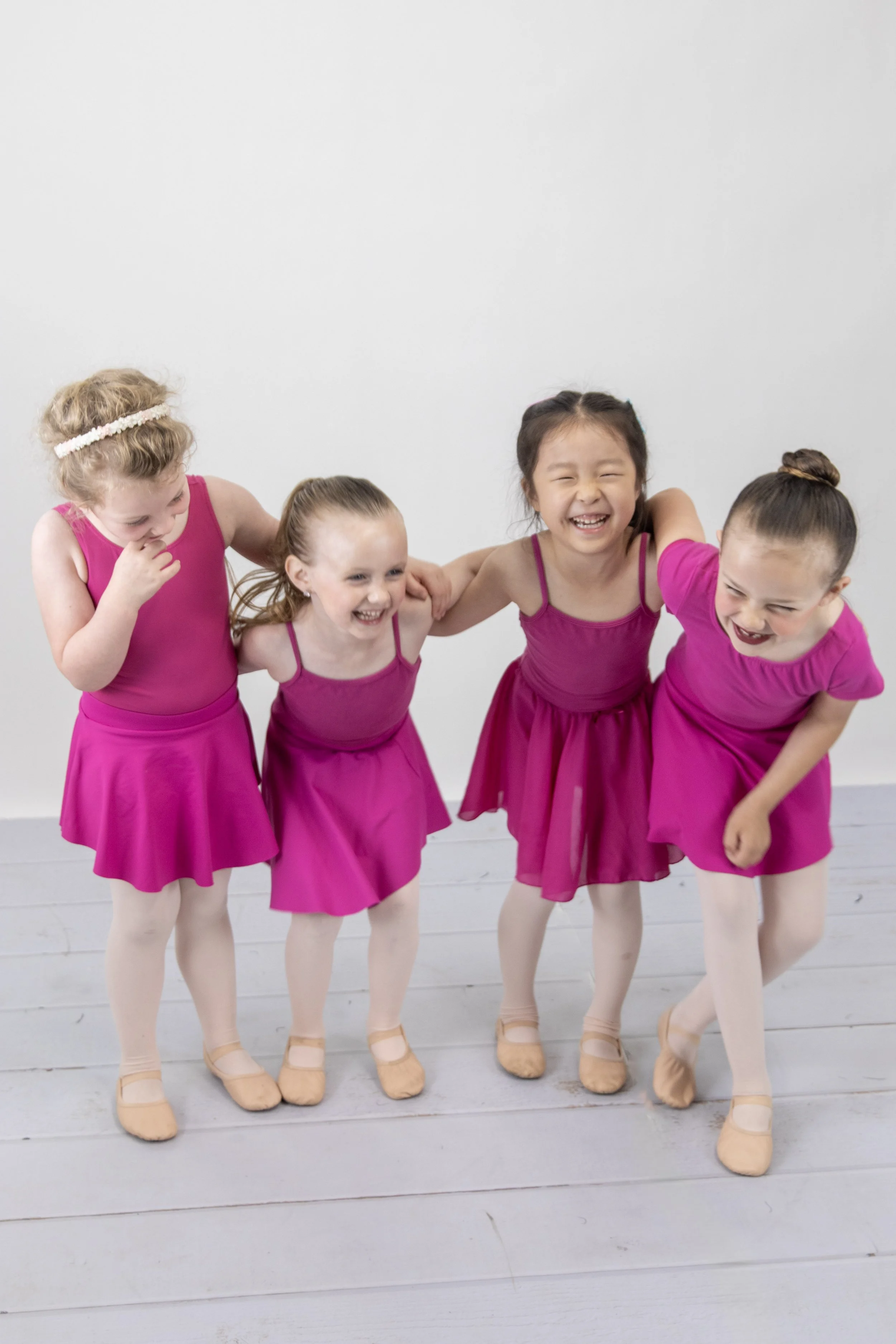
Children often take cues from the adults around them. When parents speak positively and confidently about a new teacher, it helps students approach the relationship with an open mind.
Instead of asking:
“Did you like your new teacher?”
Try asking:
“What did you learn today?”
“What was your favorite part of class?”
“What is something your teacher helped you with?”
These questions encourage dancers to focus on their experience, progress, and discoveries instead of immediately deciding whether a teacher is “better” or “worse” than someone they had before.
Remember: Different Teachers Are a Good Thing
Learning from multiple instructors is incredibly valuable for dancers.
One teacher may explain a skill in a way that suddenly makes something click. Another may focus heavily on musicality, technique, confidence, performance quality, or attention to detail.
As dancers progress, they will work with many different instructors, choreographers, directors, and guest teachers. Learning how to adapt to different teaching styles is an important skill both inside and outside of the studio.
New Classes Can Feel Challenging
Moving into a new level can also be an adjustment.
A dancer may suddenly find that combinations are faster, expectations are higher, or skills that once felt easy are now being built upon in more challenging ways.
That doesn't mean they are in the wrong class.
In fact, being appropriately challenged is part of growing as a dancer. Teachers carefully consider age, technique, experience, maturity, and readiness when working with students and planning classes.
Sometimes growth begins with feeling a little uncomfortable.
Encourage Independence
As tempting as it can be to solve every worry immediately, giving dancers the opportunity to work through small challenges helps build confidence.
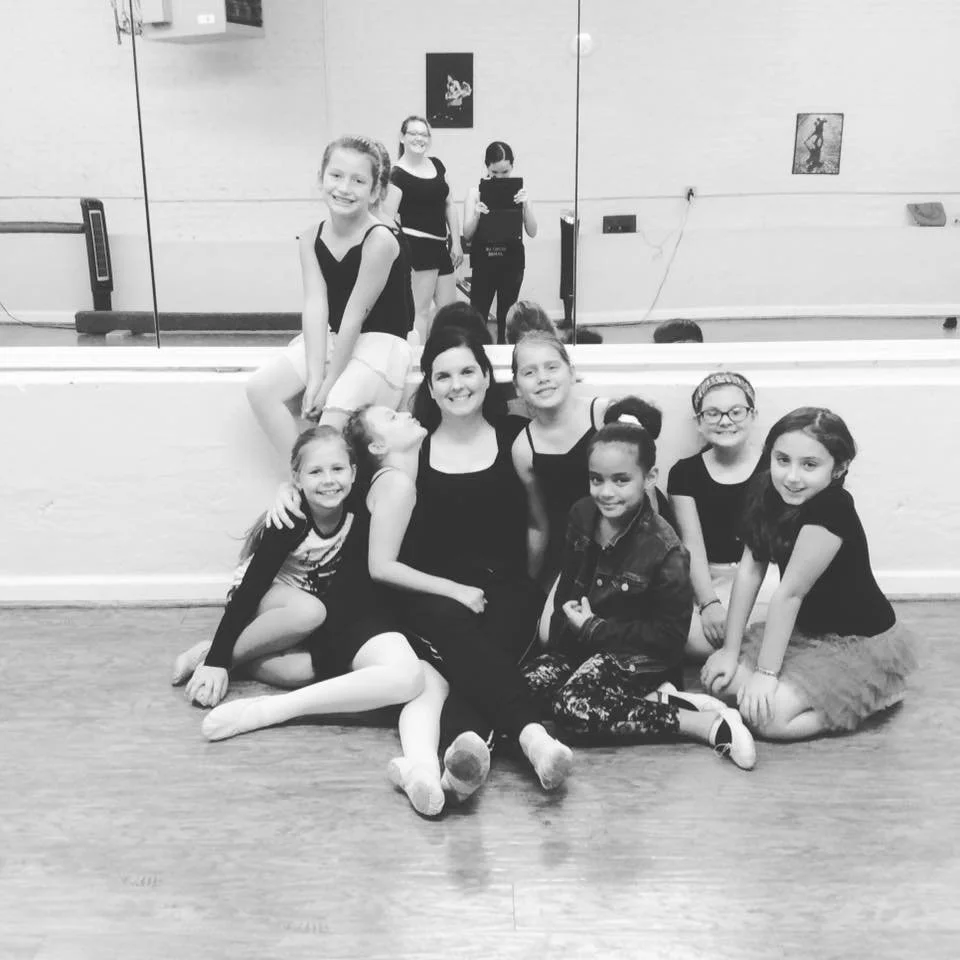
Encourage your dancer to introduce themselves to their teacher, ask questions when they don't understand something, and make connections with classmates.
For younger students, even small accomplishments — walking into the classroom independently, finding their spot, remembering where their dance shoes go, or saying hello to their teacher — are big steps.
Celebrate them!
Keep Routines Consistent
Consistency can make new experiences feel much safer.
Whenever possible:
Arrive a few minutes early so your dancer isn't rushing.
Come dressed and ready for class.
Follow the same drop-off routine each week.
Remind your dancer what class they are attending and who their teacher is.
Keep goodbyes positive and brief.
A predictable routine helps dancers know what to expect and allows them to focus on enjoying class.
It's Okay to Miss a Former Teacher
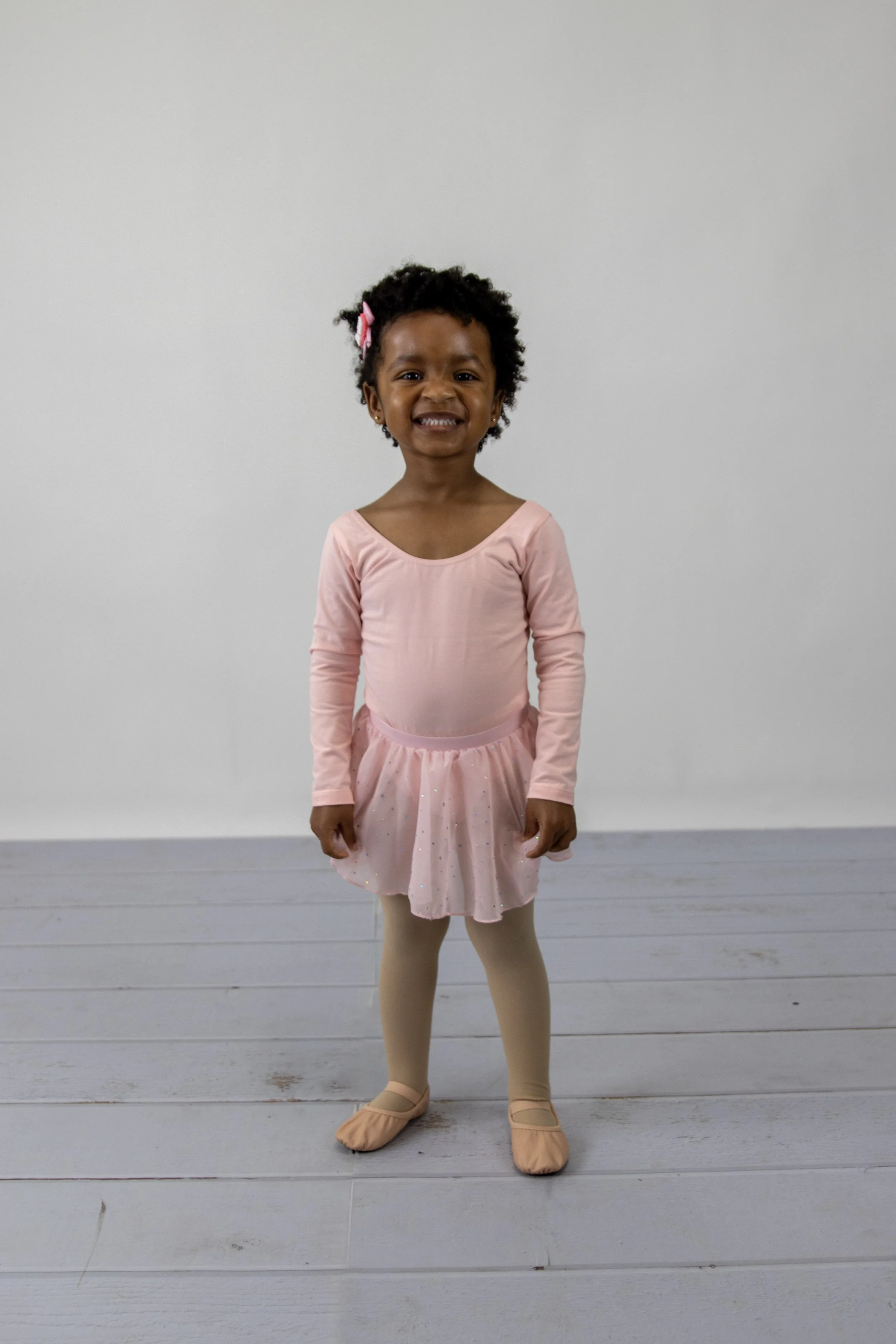
Sometimes dancers become very attached to an instructor, especially if they have been together for several seasons.
Missing that teacher doesn't mean they won't eventually love their new one.
You can acknowledge those feelings while still encouraging the new relationship:
“I know you loved having Miss ___ last year. She was a special teacher for you. This year you'll get to learn new things from Miss ___ too!”
There is room for both.
Communication Helps
If your dancer continues to struggle after several classes, please communicate with us.
Sometimes there is something simple happening that we can help with — perhaps they are nervous about where to stand, aren't sure who to ask for help, are worried about a particular skill, or haven't connected with classmates yet.
Our instructors and staff want students to feel successful, supported, and welcome.
Our Goal This Season: Joy
At Dance It Out, our studio goal this year is JOY.
Of course, we want our students to improve their technique, learn new skills, and grow as performers. But we also want them to look forward to coming through our doors.
We want them to find joy in accomplishing something difficult.
Joy in making a new friend.
Joy in performing.
Joy in discovering that a teacher they were nervous about has become someone they trust.
Joy in realizing they can do something today that they couldn't do a few months ago.
A new season is a fresh beginning. Give your dancer — and their new teacher — the time and space to build that relationship.
Before long, the unfamiliar classroom becomes their classroom, the new faces become friends, and the new teacher becomes an important part of their dance story.
Here's to a wonderful new season of learning, growing, and letting our dreams take flight!
Dance It Out